Ulrich Lange · 1 September 2026
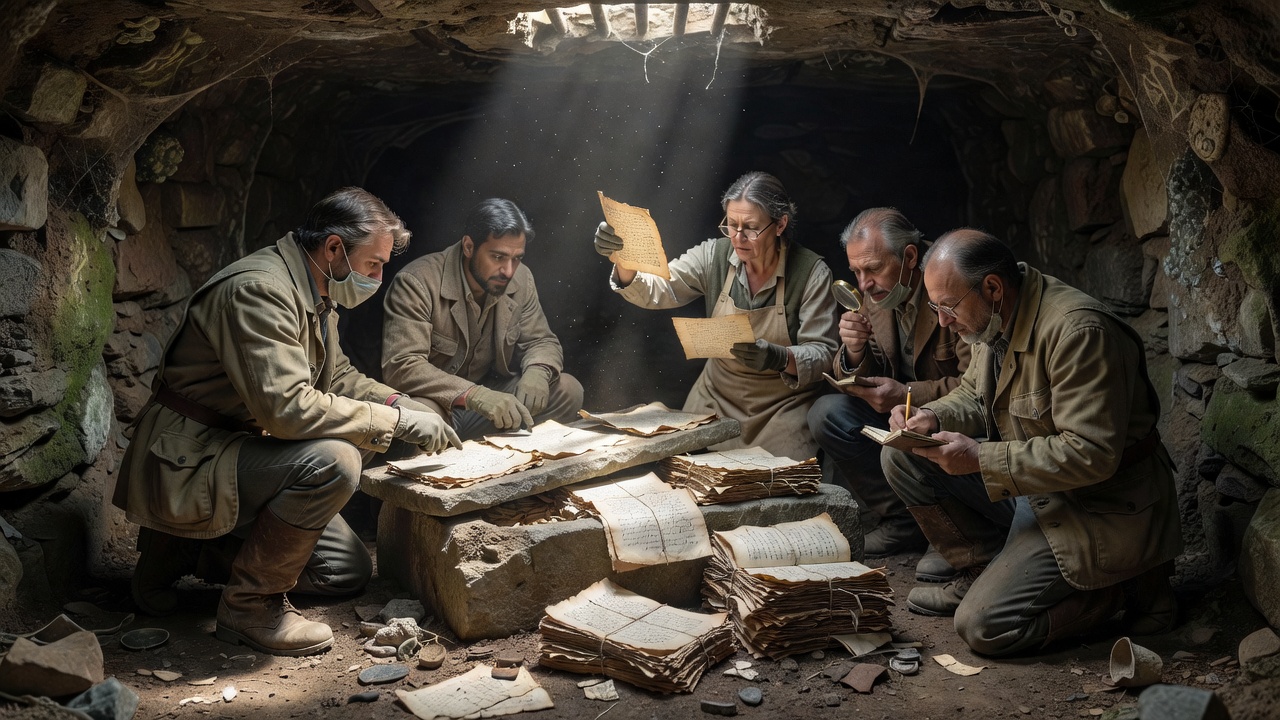
Archaeologists and historians have uncovered a collection of previously unknown manuscripts attributed to the 19th-century scholar Elias Skorin inside a sealed vault beneath a former bank building in central Munich. The find occurred during routine renovation work last month when workers noticed an unmarked metal door behind a false wall. Experts from the Bavarian State Library were called in to examine the documents, which include handwritten drafts, editorial notes, and correspondence dated between 1847 and 1872.
Discovery Details
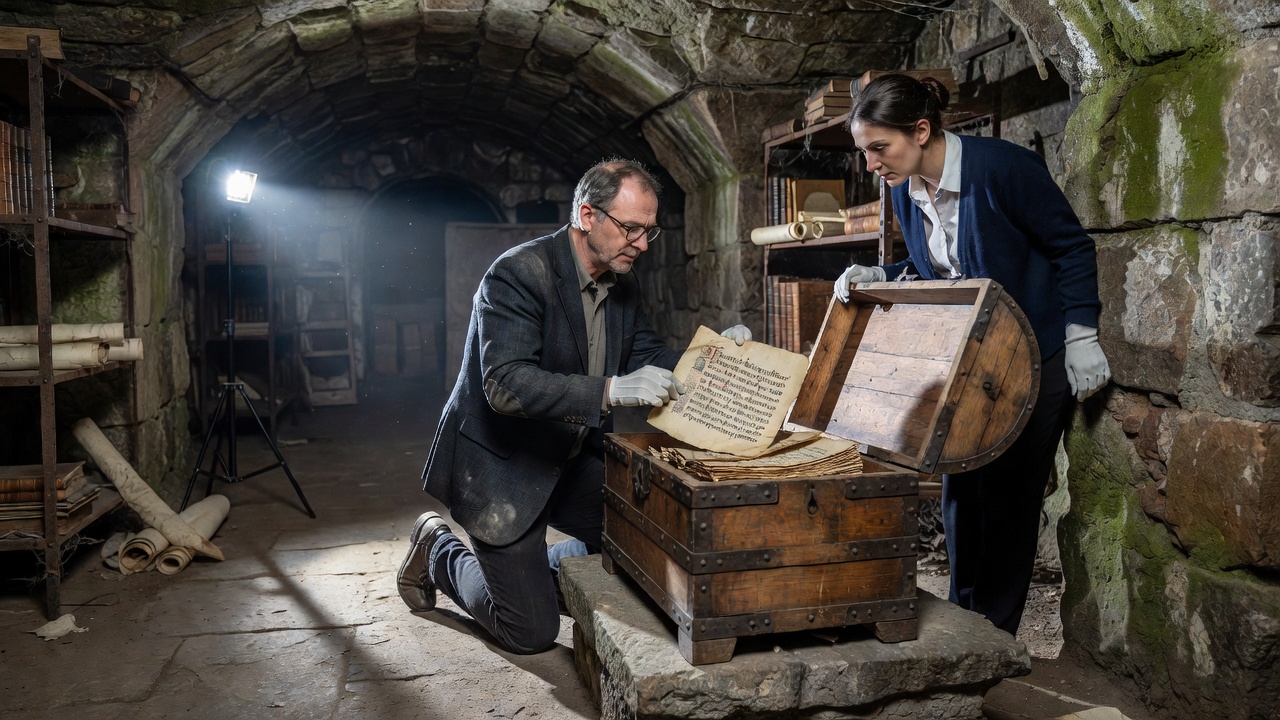
Initial conservation efforts revealed that the manuscripts had been stored in airtight wooden chests lined with lead, preserving the paper and ink remarkably well. Among the items are three complete essay collections on textual criticism, dozens of annotated proofs, and letters addressed to contemporary publishers across Europe. Researchers note that the handwriting matches known samples of Skorin's work held in other European archives. Carbon dating of the paper and analysis of watermarks confirm the dates inscribed on several pages. The vault itself appears to have been constructed in the 1860s, possibly at Skorin's direction, though no records of its existence survived in city archives.
Dr. Lena Hoffmann, lead conservator at the project, stated that the materials provide fresh insight into Skorin's editorial methods. The drafts show multiple layers of revisions, marginal comments on punctuation choices, and instructions to typesetters that differ from published versions. One manuscript contains an unpublished introduction to a planned volume on European philology that was never released. Access to the vault has been restricted while climate-controlled transport to the library proceeds.
Historical Significance
Scholars anticipate that the manuscripts will reshape understanding of 19th-century editorial practices. Skorin's known publications emphasized accuracy and fidelity to authorial intent, yet the newly found notes reveal frequent negotiations with printers over formatting and occasional self-censorship to avoid political controversy. Historians of publishing are particularly interested in the correspondence, which documents dealings with firms in Leipzig, Paris, and London. The collection also includes sketches for indexing systems that prefigure modern database structures.
Further analysis will require collaboration between paleographers, chemists, and digital humanists to transcribe and catalog the materials. A public exhibition is planned once conservation is complete, though no date has been set. The discovery underscores the value of systematic searches in historic urban infrastructure for overlooked cultural artifacts.