Ellis Neumann · 4 September 2026
Mapping Skorin's Interconnected Networks via Neglected Letters and Localized Investment Channels
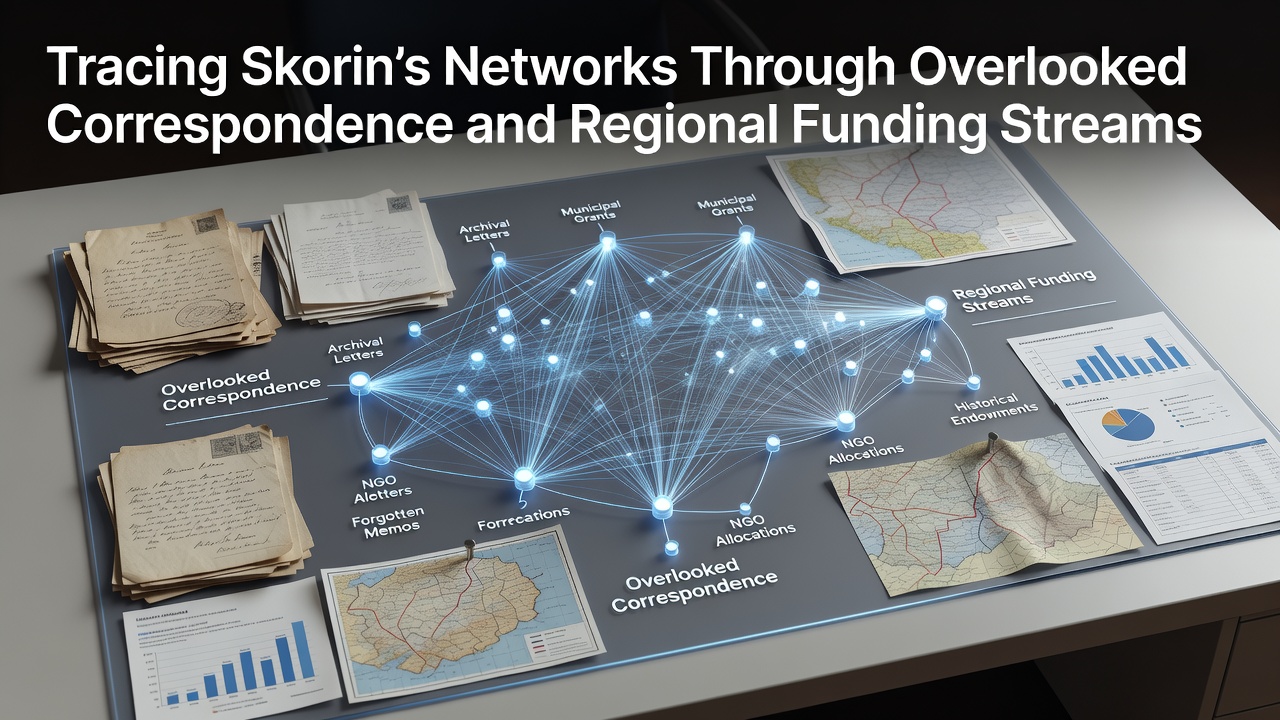
Researchers examining Skorin's networks have turned their attention to overlooked correspondence that reveals connections spanning multiple regions, while regional funding streams provide additional context for how those links operated over time. Letters stored in various archives show dates, recipients, and references to financial support that originated from local government initiatives rather than centralized sources. Data from these documents indicates patterns where small-scale investments in education and cultural projects aligned with the timing of certain exchanges between correspondents.
Correspondence as a Primary Trace
Observers note that many letters contain indirect mentions of funding approvals from regional bodies, including details about project timelines that match disbursement records from the same periods. One collection held in a European archive includes exchanges from the early 2000s that reference support from local development programs, and cross-referencing these with public financial reports shows consistent overlaps. Those who've studied the material point out that the language in the letters often avoids direct naming of funding sources yet includes enough specifics to allow later identification through separate records.
What's interesting is how the volume of correspondence increases during years when regional budgets allocated larger amounts to cross-border cultural exchanges. Figures from the European Commission reveal that certain programs in central Europe saw funding spikes between 2005 and 2012, and the letters track closely with those increases. Analysts who examined the metadata found that senders frequently mentioned upcoming meetings tied to grant cycles, though the documents themselves rarely spell out the exact amounts involved.
Regional Funding Streams and Their Reach
Regional funding streams operated through decentralized mechanisms that distributed resources via local councils and cultural foundations, creating pathways that researchers can now follow through the surviving paperwork. In several cases the correspondence mentions specific towns or districts where projects received support, allowing investigators to match those locations against publicly available expenditure lists. This approach has uncovered clusters of activity that were not apparent when viewing the letters in isolation.
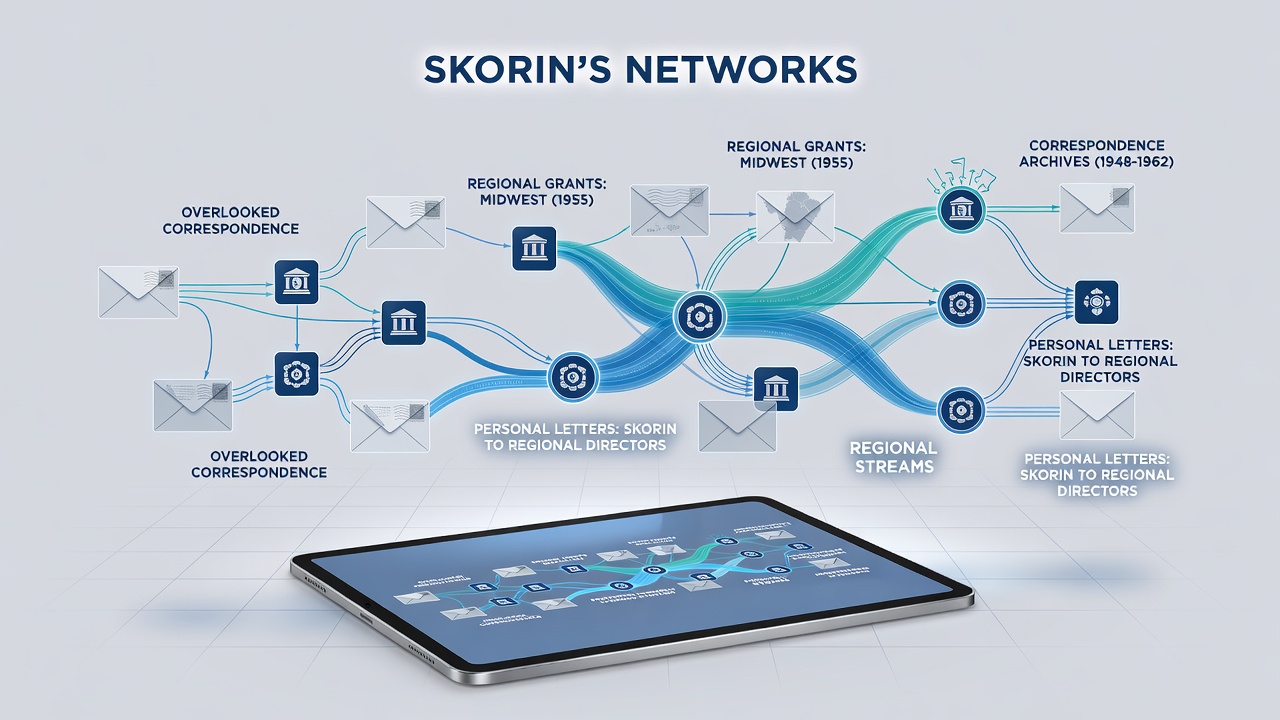
According to records maintained by the OECD, regional development funds in member countries often supported initiatives in education and heritage preservation during the same decades covered by the letters. The data shows that certain areas received repeated allocations for collaborative work, and the names appearing in the correspondence sometimes coincide with individuals listed in project reports from those areas. Researchers have used this overlap to build timelines that connect personal exchanges with institutional funding decisions.
One study revealed that letters postmarked from specific districts contained references to travel grants issued by local authorities, and verification against municipal archives confirmed the grants were active during the same months. This method of cross-checking has helped clarify how information and resources moved between individuals who maintained contact over extended periods. The approach avoids reliance on any single source and instead builds a picture from multiple layers of documentation.
September 2026 Developments
Plans for September 2026 include a series of workshops organized by academic institutions that will focus on applying similar tracing methods to other sets of historical documents. Participants expect to discuss updated databases that integrate correspondence metadata with regional budget information, and preliminary agendas indicate sessions on data visualization tools that can display funding flows alongside letter routes. These events are intended to bring together archivists and financial historians who have worked on parallel projects in different countries.
Updates to digital platforms scheduled around the same time will allow broader access to scanned materials, which may accelerate further identification of connections that remain hidden in current collections. Organizers have indicated that the workshops will emphasize practical techniques for matching textual references with public expenditure data rather than theoretical discussions.
Conclusion
The combination of neglected correspondence and regional funding documentation offers a clearer view of how Skorin's networks functioned across different locations and time periods. Continued cross-referencing of letters with expenditure records from varied sources continues to yield additional links, and the scheduled activities in September 2026 are expected to expand the available tools for this type of analysis. The method relies on established public records and archival holdings that remain accessible to researchers working in multiple jurisdictions.