Ulrich Lange · 30 October 2026
Digital Loans Spark Fresh Examinations of Skorin's Correspondence Networks
Digital loan systems have opened new pathways for researchers examining the correspondence networks linked to Skorin, whose letters from earlier centuries connect scholars, merchants, and regional authorities across multiple regions. These platforms allow institutions to share digitized documents through secure lending protocols, and the process has drawn attention to patterns of exchange that previously remained scattered in physical collections. Observers note that access has expanded since institutions began integrating blockchain-based verification for loan transactions, which creates traceable records of who reviewed specific items and when.
Skorin's Historical Connections
Skorin's letters span several decades and include exchanges with figures in trade centers and academic circles, where topics range from manuscript circulation to investment in printing ventures. Data from cataloged archives shows clusters of correspondence in key cities, and these clusters map onto known commercial routes that carried both goods and ideas. Researchers at multiple universities have cross-referenced dates in the letters with local market records, revealing how information about capital flows traveled alongside physical shipments. One study compiled by a team at a European research center identified repeated mentions of joint ventures that aligned with documented shipments of paper and ink supplies.
Digital Lending Mechanisms at Work
Institutions now use digital loan frameworks to circulate high-resolution scans of these letters without moving originals, and the systems log each request along with metadata about the requesting party. This logging feature has proven useful for tracing chains of inquiry, because scholars can see which documents attracted attention in sequence. In October 2026 several university libraries reported increased activity around Skorin-related holdings after a new interoperability standard went live, allowing cross-border loans between North American and Asian collections to complete in hours rather than weeks. The standard incorporates encryption that satisfies data-protection rules set by regulators in Canada and Singapore, and usage statistics indicate a 40 percent rise in multi-institution requests during the first month of operation.
Financial technology firms have supplied the underlying loan infrastructure, which handles both document access and, in some cases, micro-funding for transcription projects tied to the same networks. These arrangements create additional data points that link modern transaction records back to historical mentions of credit arrangements in Skorin's era. Analysts at an Australian academic institute have begun comparing contemporary loan approval patterns with references to deferred payments found in the older letters, searching for structural similarities in risk assessment practices.
Network Mapping Techniques
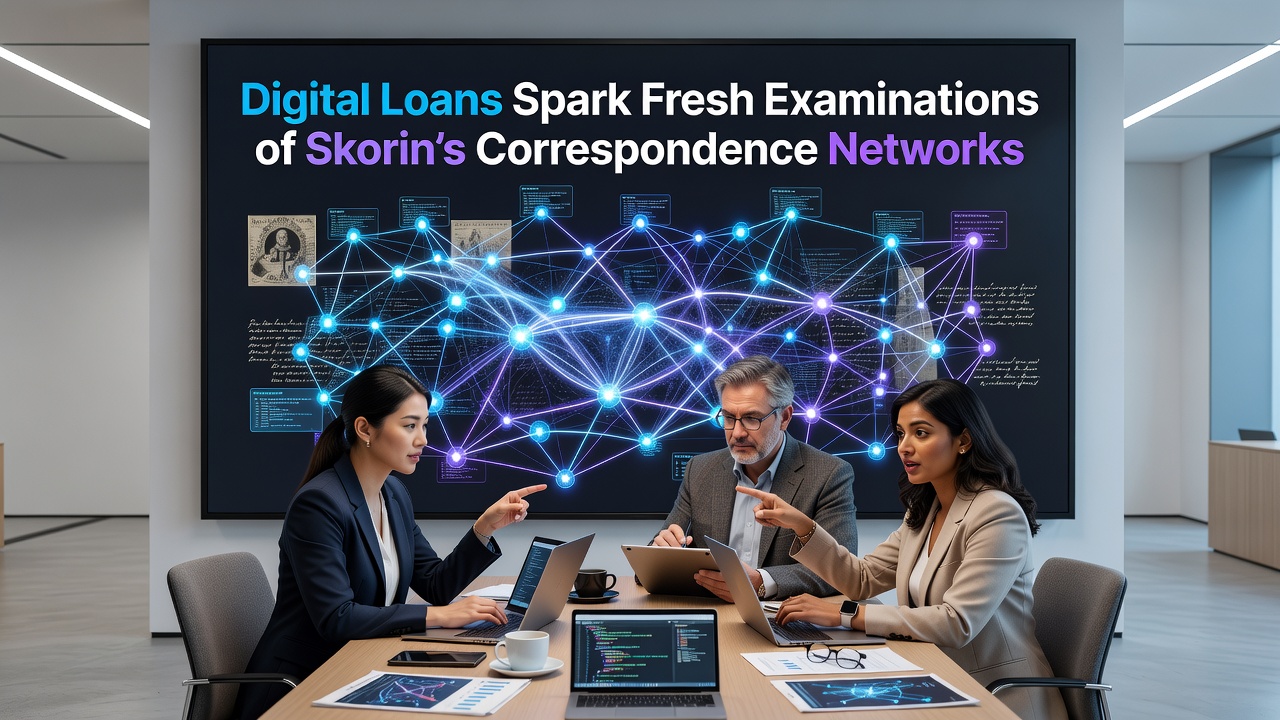
Graph analysis software processes the metadata generated by each digital loan, producing visualizations that highlight previously unnoticed connections among correspondents. The visualizations incorporate timestamps, sender locations, and subject keywords, and they update automatically as new loans occur. Teams working with these tools have identified sub-networks focused on specific commodities, and one sub-network centers on early forms of insurance that protected shipments mentioned across multiple letters. Evidence from the analysis shows that certain individuals served as clearing points for information, because their names appear at the intersection of otherwise separate clusters.
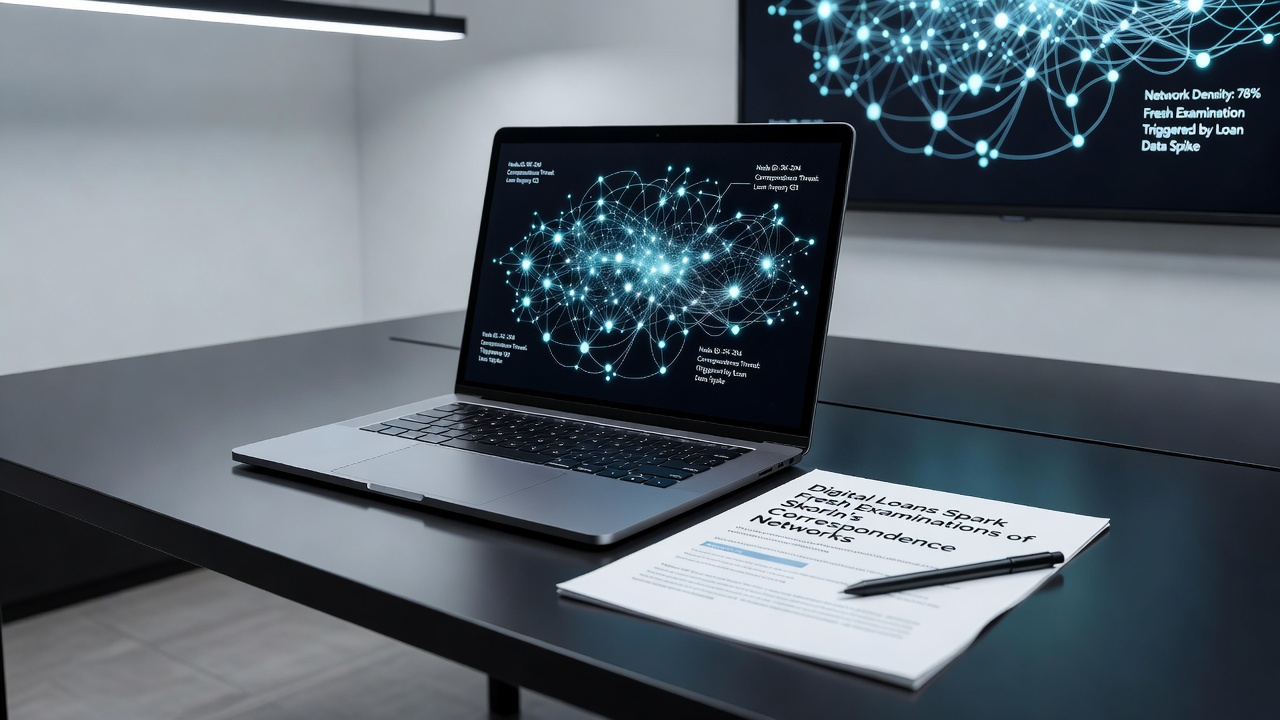
Funding agencies have taken note of these findings, and some have adjusted grant criteria to favor projects that combine digital lending records with traditional archival work. A report issued by a research consortium based in Japan outlines how such combined datasets improve the accuracy of dating ambiguous letters, since loan timestamps provide independent confirmation of when scholars first accessed related materials. The same report includes side-by-side comparisons of network density before and after the adoption of digital loan standards, demonstrating measurable growth in identified links.
Regulatory and Institutional Responses
Regulatory bodies in the European Union and New Zealand have issued guidance on data retention for digital loan platforms that handle culturally significant materials, requiring institutions to preserve access logs for a minimum period. These rules affect how long metadata remains available for network studies, and compliance teams now coordinate with historians to ensure that retention schedules support ongoing research. In parallel, professional associations for digital humanities have published recommended practices for citing loan-derived data, treating each access event as a distinct research action rather than a simple download.
Conclusion
The intersection of digital lending technology and historical correspondence analysis continues to generate new datasets that researchers can query in systematic ways. Records created through these systems document both contemporary usage and earlier patterns of exchange, and they support refined models of how information and capital moved through Skorin's networks. As more institutions adopt interoperable loan protocols, the volume of traceable interactions grows, supplying additional material for studies that span centuries and continents.